What is the difference between horseradish and mustard?

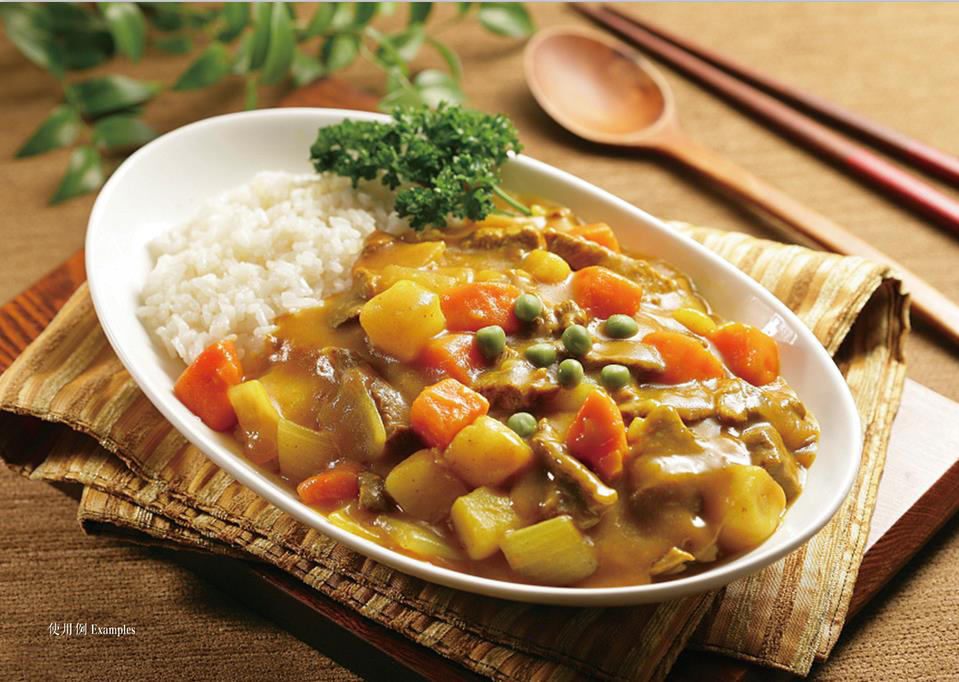
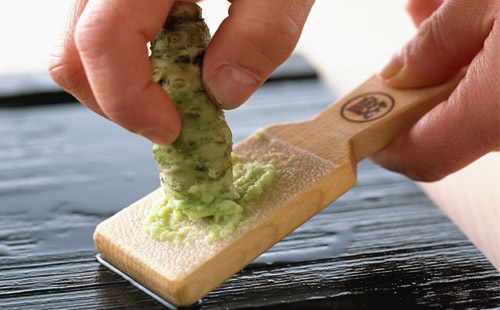
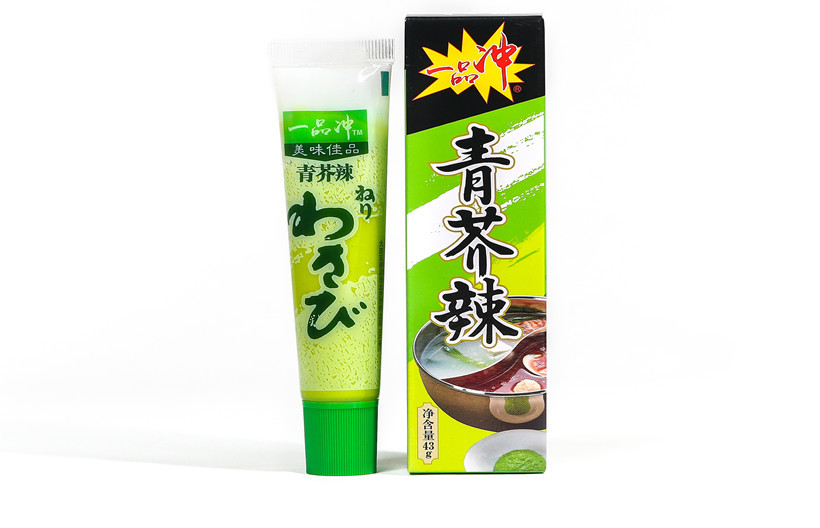
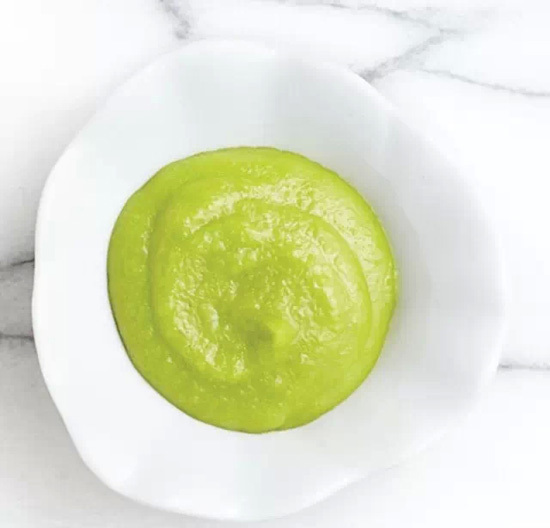
Mustard is the seed of the mustard plant, while horseradish is the root of wasabi. When it comes to mustard, it often evokes a tear-inducing sensation, yet this very substance deeply attracts countless diners who love its pungency and the unique flavor it brings to ingredients. At restaurants like Xian Kuai Lv that serve Japanese cuisine, many people enjoy pairing sashimi, sushi, and soba noodles with mustard. The melt-in-your-mouth texture and refreshing spiciness that hits the nose make it irresistible. Besides being a condiment for sashimi, mustard is often used as a seasoning for pickles, salads, and meats. The French enjoy pairing their steaks with strong French mustard, and mustard sauce can also be used as an ingredient in making mayonnaise, vinegar, marinade, or barbecue sauce. There are different types of mustard, such as yellow mustard, which originates from China, American mustard made from mustard seeds, garlic powder, Hungarian paprika, turmeric powder, along with water, salt, and vinegar, as well as French mustard, honey mustard, and more. Some may ask, doesn't mustard also include the Japanese "wasabi"? "Wasabi" is actually a paste made from the root of wasabi, not mustard. Wasabi paste and horseradish paste are often referred to as "green mustard" (or "Japanese mustard"), but in reality, wasabi paste and horseradish paste only resemble mustard in flavor and texture and are unrelated to it. Because wasabi root is expensive and difficult to preserve, most Japanese restaurants use yellow mustard or dyed horseradish paste as a substitute. For this reason, the mustard we commonly consume is primarily yellow mustard, which is not as spicy as "green mustard" and has a milder flavor, making it versatile: it can be used as an ingredient in boiled or stewed dishes, as well as paired with pasta and buns. Compared to Japanese wasabi, the mustard consumed in European countries is made from mustard powder and is mostly yellow and creamy. It does not have the pungent aroma of wasabi, and although it is slightly saltier, it is more easily accepted, making it a common condiment in European countries. In some fast-food restaurants in Europe, mustard sauce is a versatile dressing that can be used as a dip for steak or even French salted fish. Excessive consumption of mustard can harm the stomach, so it should be added in moderation during cooking. Pregnant women, as well as those with gastritis, digestive ulcers, or eye inflammation, should avoid mustard. It is important to note that mustard should not be stored for long periods and should be kept sealed at room temperature, away from light and moisture. When mustard shows oil separation or has a bitter taste, it should not be consumed. Which is better, mustard or horseradish? This depends on personal preference; some prefer the stronger flavor of mustard.

Time of issue:

2019-08-14 11:30

< 123 > proceed page